Analysis of Lobe K and J of the Blocky Unit at Jezero Crater Delta
- Objective: Perform geologic analysis of boulder deposits along the Jezero delta
- Key requirements
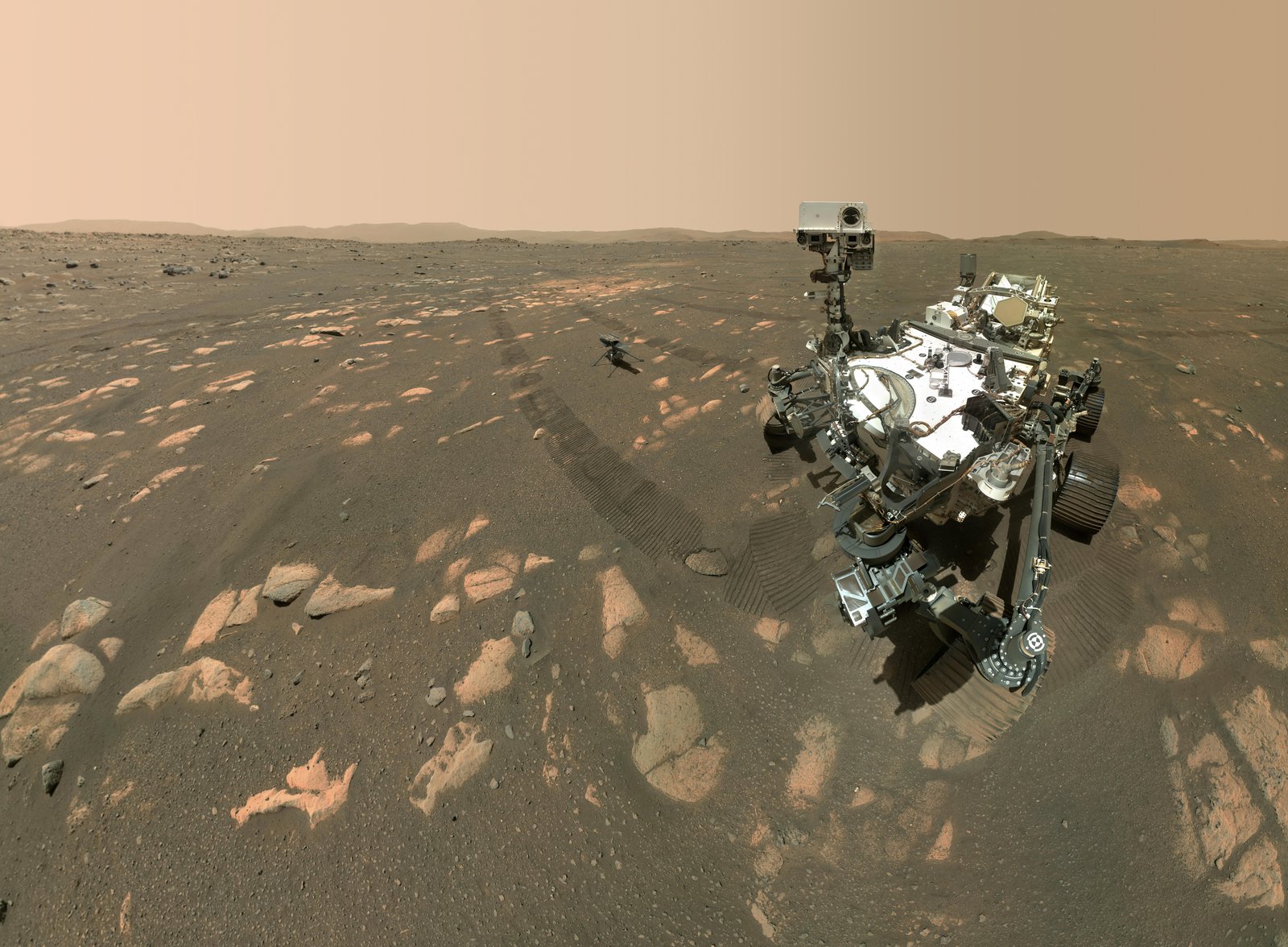
- Using images of from the Mastcam-Z (visual light camera located on the Perseverance Rover) and Ingenuity Mars Helicopter, examine boulder deposits and measure the long axis diameter of each boulder
- Note any distinctive textural appearances on boulders for reference later
- Project management approach: Weekly meeting with postdoc mentor, biweekly meeting with deputy project scientist (project mentor)
- Challenges
- Images overlapped or were poor quality – had to cross reference to not double count
- Unable to use ArcGIS (geographical mapping software) for several images, so had to hand count
- Outcomes
- Hydrological equations from an analogue study on Earth gave an estimated range of 1.85-5.93 m of water (assumed based on other geochemical observations) needed to move the boulders from their assumed origin on the crater rim to their current location
- The speed of water needed to move these boulders ranged from 1.66-3.85 m/s
- Altogether, this analysis gives evidence for highly energetic fluvial activity in Jezero Crater, adding to the growing body of evidence of large amounts of water present in the past on Mars at Jezero
- Presented findings to teams of expert planetary geoscientists from JPL and partner institutions.
- Coauthor of American Geophysical Union abstract (2023), LPSC abstract (2024), and forthcoming manuscript in the Journal of Geophysical Research: Planets.